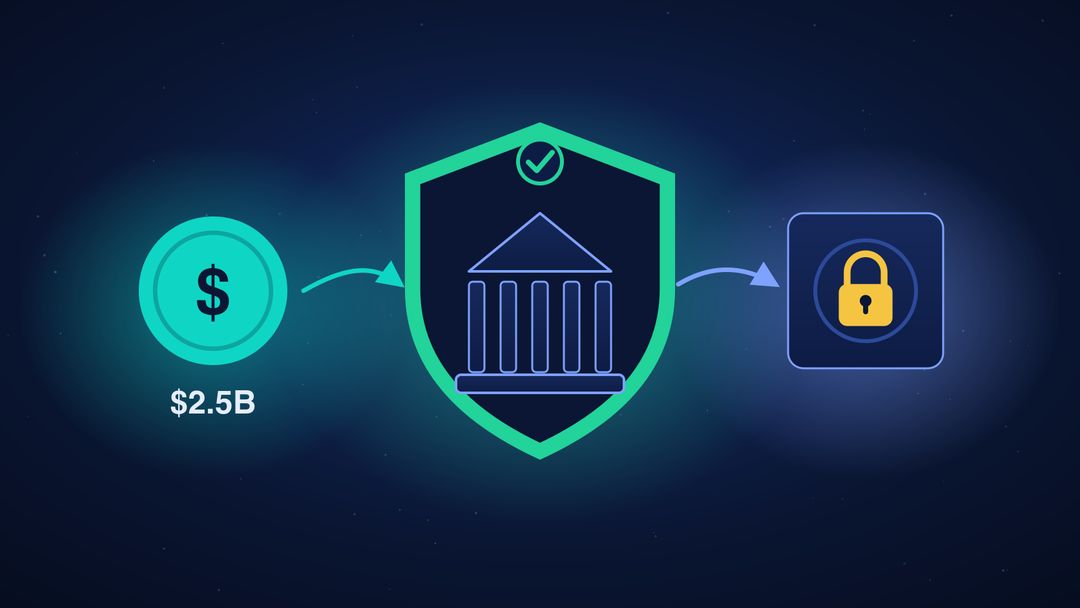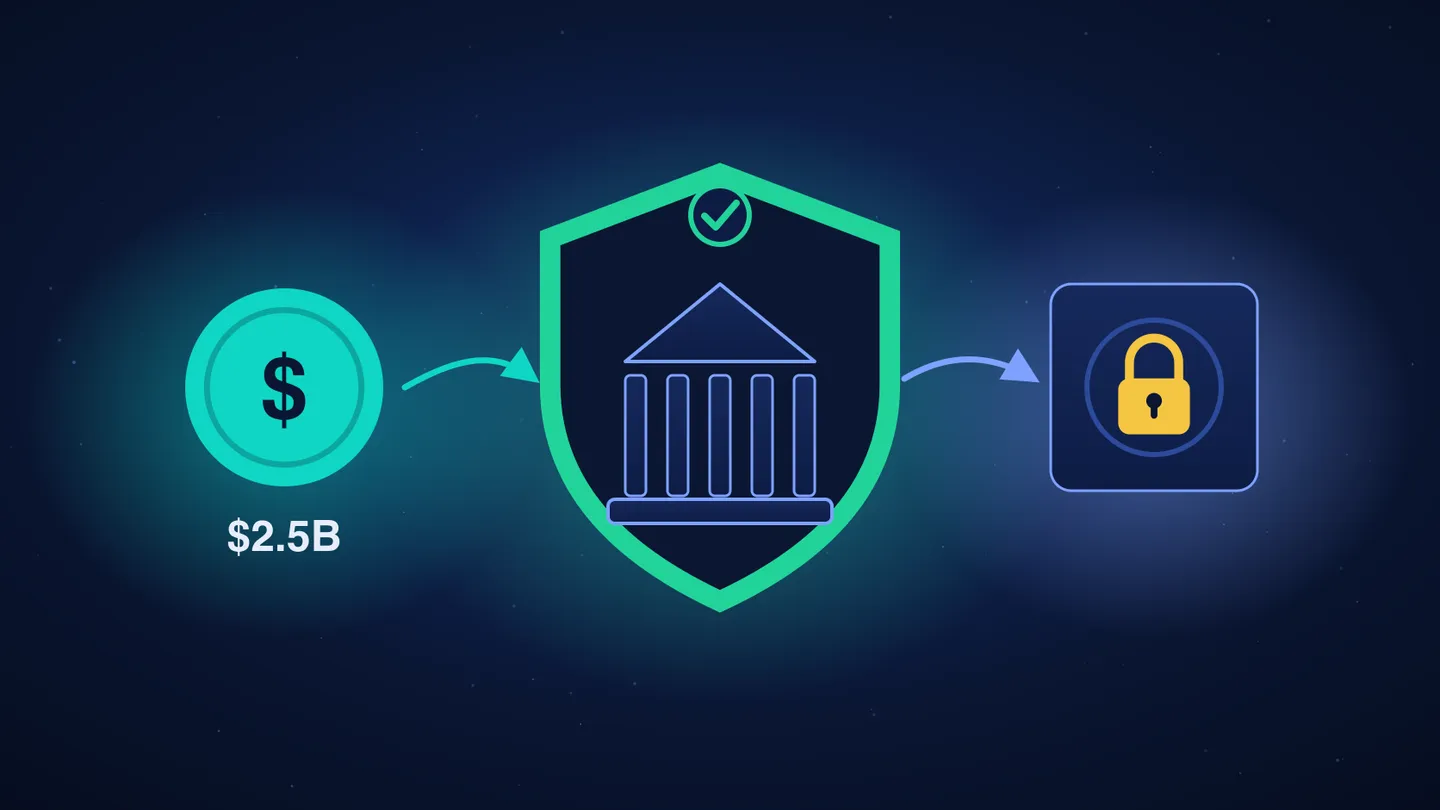
Ripple, the payments company behind the XRP Ledger and the RLUSD stablecoin, now has final approval from the Office of the Comptroller of the Currency (OCC), the US regulator that supervises national banks, to launch its own national trust bank. CEO Brad Garlinghouse announced the news on X late on Monday, October 26, 2026.
Key facts
- Name: Ripple National Trust Bank.
- Regulator: the OCC, part of the US Treasury Department.
- Timeline: Ripple applied in July 2025, received conditional approval in December 2025, and has now received final approval.
- What the bank will do:
- hold and manage the reserves that back RLUSD, kept separate from Ripple’s own money,
- act as trustee of those reserves on behalf of RLUSD holders, and
- offer regulated custody of digital assets for companies and institutions.
- What it cannot do: a national trust bank does not take ordinary deposits or make loans.
What stays the same for RLUSD
RLUSD launched in December 2024 and is worth about $2.5 billion today. It will still be issued by Standard Custody & Trust Company, Ripple’s unit regulated by New York’s financial regulator. The change is that the reserves behind every token, which are mostly dollar deposits and US government securities, will now sit under a federally supervised bank.
Garlinghouse said the charter shows that crypto and banks work better together, and that it gives RLUSD a stronger foundation.
Context
Ripple is one of several crypto companies that have asked the OCC for national trust charters, and some have already received them. The trend has critics: Senator Elizabeth Warren argues these charters break US banking law and add risk to the financial system, while crypto industry groups reply that the charters only cover trust and custody work, under full federal supervision.
The approval also arrives as the US prepares for the GENIUS Act, the federal stablecoin law, which takes effect on January 18, 2027. Ripple says it will keep working with the OCC, New York regulators and others as the bank starts operating.
Why it matters
Stablecoins are only as safe as the money behind them. Putting RLUSD’s reserves inside a bank watched by a federal regulator gives holders an extra layer of oversight, and it lets Ripple offer large clients custody from a regulated bank. It is another sign that big crypto firms are moving inside the US banking system rather than staying outside it.
This article is for information only and is not financial advice.