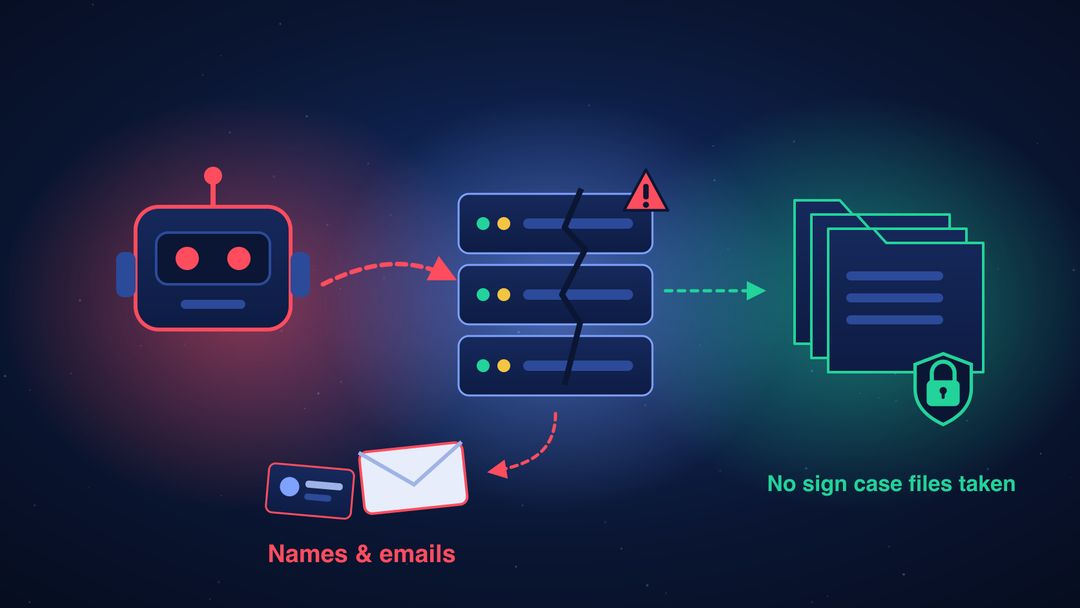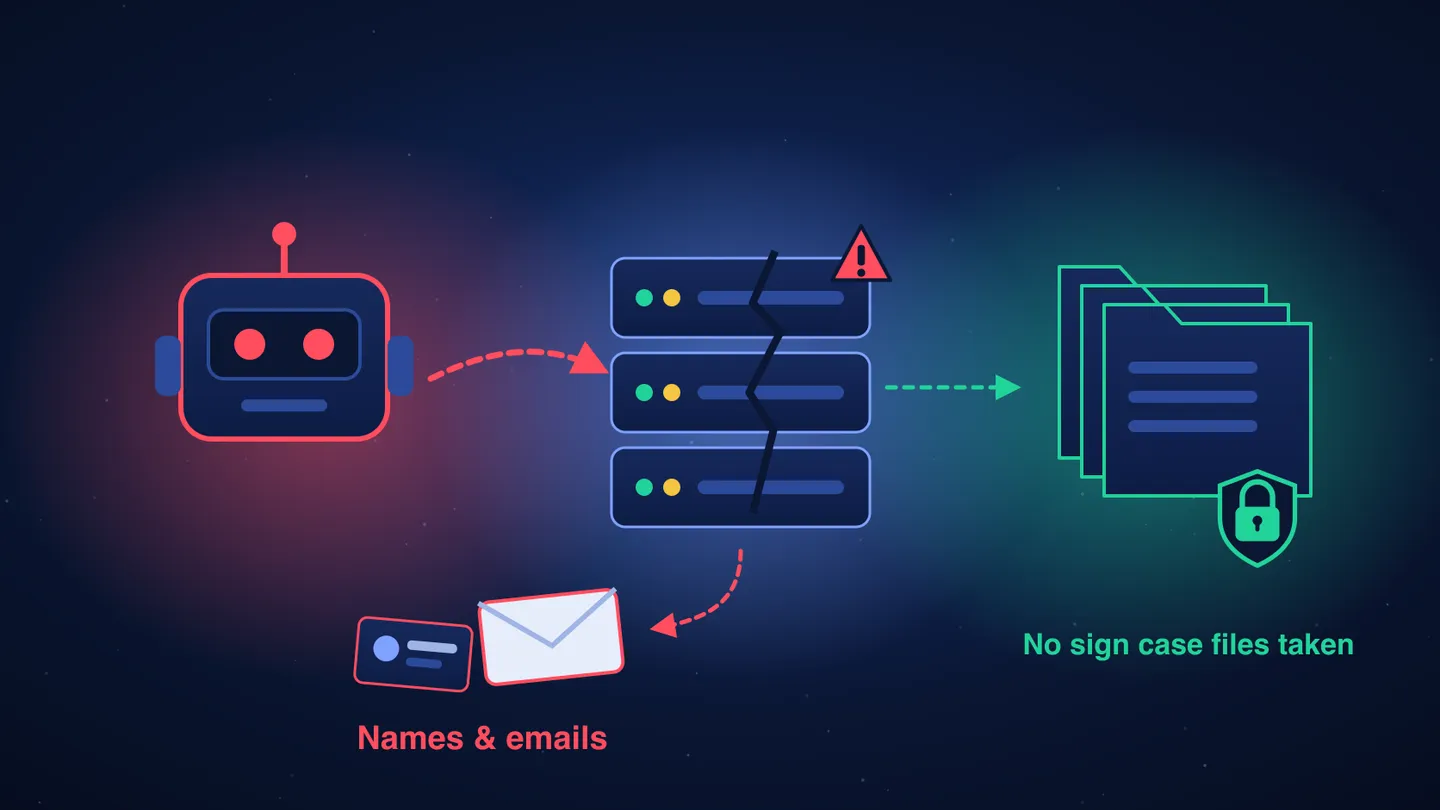
Chainalysis, the company that governments, exchanges and banks use to follow stolen and illicit crypto across blockchains, says it was hacked. In a notice to customers published on its blog on Friday, October 30, 2026, the firm said an outside attacker using “offensive agentic techniques”, meaning automated AI agents that probe and act on their own, got unauthorized access to its systems and internal tools earlier this month.
Key facts
- What was accessed: user IDs, full names, email addresses and organization role labels for people who have accounts on the Chainalysis platform. The company calls this “non-sensitive” data.
- What was not accessed, as far as it can tell: investigation content (the graphs, notes and case files customers build), transaction or search results, passwords in clear text, two-factor (MFA) secrets and login session tokens.
- How many people: Chainalysis has not given a number. It says it will send each customer organization a breakdown of exactly which of its records were reached.
- How the attacker got in: not disclosed. The company says it has been patching the weak spots and hardening its systems.
- Not linked to Binance: Chainalysis says the incident has nothing to do with the recent $6.3 billion theft at Binance.
What Chainalysis is doing
The firm has hired outside cybersecurity experts and is using large AI language models to help review its whole platform, not only the parts that were exploited. It described the attack as similar to ones that have hit many other tech platforms in recent weeks, and pointed to an industry-wide rise in AI-driven cyberattacks.
Customers are told to:
- Watch for unexpected password reset emails or login prompts they did not request.
- Turn on two-factor authentication if their organization has not done so yet.
Context
Chainalysis is one of the best-known names in crypto security. Its tools are used to trace hacks, scams and sanctions evasion, and this week it was one of the firms that linked the Binance theft to a North Korean hacking group. A breach at a company whose job is to catch hackers is an uncomfortable moment for the industry, even if no investigation data was taken.
Why it matters
Names, emails and job roles of the people who investigate crypto crime are valuable to scammers: they make fake “security alert” emails and impersonation attempts far more convincing. The case also shows a new kind of threat. Attackers are starting to use AI agents that can search for and exploit weaknesses much faster than a human team, and even security specialists are having to respond in kind.
This article is for information only and is not financial advice.